Lithium‑ion VS Lead‑Acid Battery For Electric Warehouse Forklift
Electric warehouse forklifts gain wide‑spread application, yet many purchasers cannot tell the differences between lithium‑ion and lead‑acid batteries, which leads to improper selection, insufficient runtime, schedule delays and low working efficiency. This article explains how to choose battery for electric warehouse forklift for your easier decision‑making.
Lithium‑ion battery requires higher upfront investment, supports fast charging and intermittent top‑up without long‑time downtime. It is maintenance‑free for water refilling and delivers far more charge‑discharge cycles. Compact and lightweight, it suits two‑shift or high‑frequency‑operation warehouses. Special low‑temperature lithium‑ion variant is required for cold‑storage environment; standard lithium‑ion suffers obvious runtime loss under low temperature.
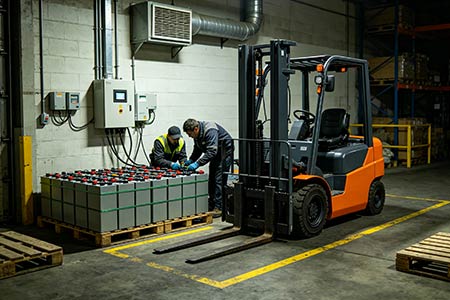
Working conditions suitable for lead‑acid battery. Single‑shift warehouse operation with daily working hour within 4‑6 hours, limited budget, independent charging room available for sufficient overnight charging.
The factory has full‑time maintenance staff for regular water refilling and inspection. Intermittent usage without long‑time heavy‑duty operation makes lead‑acid battery a cost‑effective solution.
Scenarios more suitable for lithium‑ion battery. Two‑shift or three‑shift non‑stop operation with high equipment turnover. Quick top‑up during lunch break or material‑waiting interval is expected, no need for multiple battery packs for rotation.
No dedicated charging room in workshop, and you want to avoid daily work such as water adding and electrolyte testing for low‑maintenance demand. Cold‑storage application or multi‑forklift intensive site to cut labor work for battery swapping.
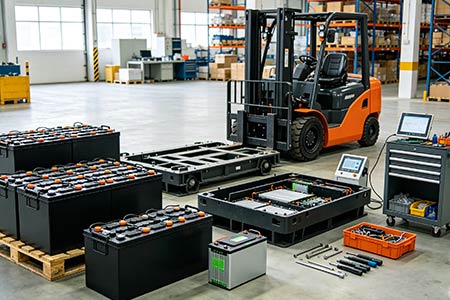
Lithium‑ion battery is preferred for export units, as its supporting documents meet overseas CE requirements more easily.
Hidden costs you should notice. Although lead‑acid battery enjoys low purchase price, whole‑pack replacement is mostly needed within 2‑3 years. You also need to count cost of distilled water, maintenance labor and ventilation reconstruction for charging room. Waste battery disposal shall follow formal regulations.
Lithium‑ion battery has high upfront cost but plenty of cycles, with normal service life reaching 5‑8 years. Pay attention to quality of built‑in BMS battery management system. Adopt original battery with over‑charge and over‑discharge protection, since poor‑quality lithium‑ion cells bring safety hazards.
In conclusion, pick proper battery type matching your real‑site warehouse conditions to improve overall operation efficiency of lithium‑ion vs lead‑acid battery for electric warehouse forklift.
-
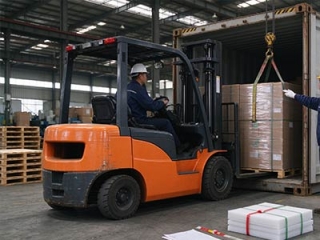 Newnewton Forklift Manufacturer, Forklift CE Certification for ExportNewnewton forklift factory offers full CE certification complying with EN ISO 3691, complete technical documents and OEM service to reduce customs detention risks.
Do you like ?0
Read more -
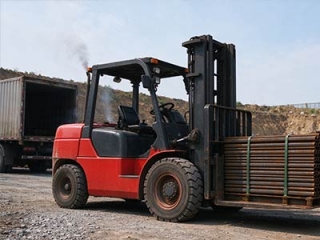 Electric Forklift Vs Diesel Forklift, Warehouse Selection GuideElectric forklift is zero-emission and quiet for indoor clean warehouses. Diesel forklift offers strong power for outdoor heavy-duty tasks.
Do you like ?0
Read more -
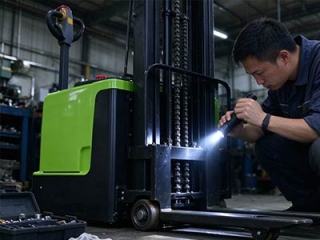 Narrow Aisle Stacker Forklift Custom Manufacturer for WarehouseCustom narrow aisle stacker for non-standard racking. Adjust body, mast and fork specs, upgrade power and protection, site survey available.
Do you like ?0
Read more -
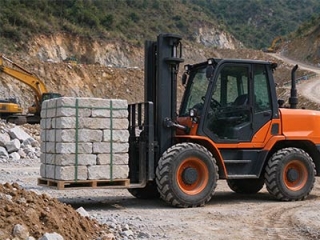 4WD All Terrain Rough Terrain Forklift Climbing for Mountain Sites4WD rough terrain forklift works on unpaved roads. Observe load climbing limit, attachments optional for forest and construction sites.
Do you like ?0
Read more -
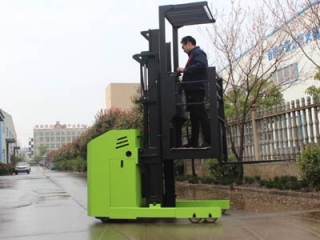 Man-Up Order Picker for High Level Picking, Suitable Warehouse ModesMan-up high level order picker for high-level split picking. Not for full pallet stacking, check rack, aisle and floor before selection.
Do you like ?0
Read more -
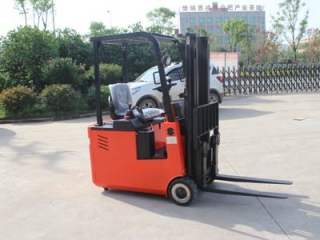 Narrow Aisle Operation Of Three-Wheel Forklift With Compact Turning RadiusThree-point electric forklift features small turning radius for narrow aisles. Reserve safety margin and check floor condition during selection.
Do you like ?0
Read more