
Whether running in high‑frequency shifts or used intermittently, proper maintenance is essential for warehouse semi‑electric stacker. Without regular care, various malfunctions will occur. Five typical faults tend to appear after one or two years of operation. Below lists practical troubleshooting methods for reference.
Fault 1: Motor runs, but forks fail to lift or lift weakly
The motor rotates normally upon lifting command, yet forks cannot rise or sink halfway during lifting. First check hydraulic oil level. Insufficient oil directly causes poor lifting performance, refill recommended hydraulic oil following manual instructions. Inspect oil pipes and cylinder for oil seepage; replace aged oil seals once damaged. Check relief‑valve pressure; insufficient pressure leads to weak lifting force and fine‑tuning is allowed. Do not disassemble internally if spool valve is broken, contact manufacturer technicians for repair.
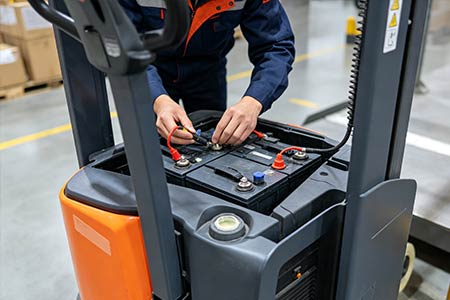
Fault 2: Press button, motor does not respond at all
No movement occurs after pressing the lift button. Check battery voltage first. Low‑voltage protection will cut off motor output when power is depleted. Confirm emergency‑stop button is fully reset. Inspect whether battery and motor terminals are loose, oxidized or detached. If voltage and wiring are normal, lift button or contactor may be defective and relevant electric parts need replacement.
Fault 3: Forks drop automatically under static condition
Forks drift down slowly under loaded or no‑load status, caused by internal hydraulic pressure leakage. Mostly triggered by worn cylinder oil seals. Secondly check one‑way valve. Contaminants inside valve seat result in poor sealing. Clean the spool of one‑way valve. If drifting persists after cleaning, replace oil‑seal assembly. Stop operating under heavy‑load condition to prevent sudden cargo falling.
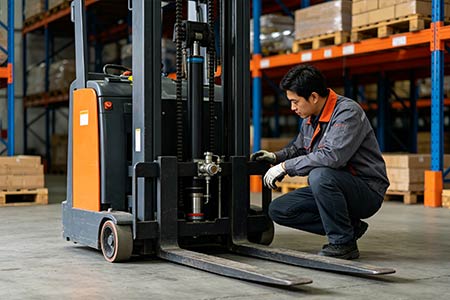
Fault 4: Heavy manual pushing, high travelling resistance
Since warehouse semi‑electric stacker relies on manual propulsion, excessive pushing force indicates hidden issues. Check support wheels and load wheels for tangled debris such as tape or iron wire, which will increase resistance. Replace damaged stuck wheel bearings. Uneven potholed floor also adds pushing burden, operate on hardened flat ground as much as possible. Over‑tight mast chains will also bring extra travelling resistance.
Fault 5: Fast power consumption, shortened working runtime
Battery drains quickly after full charging and requires frequent recharging. Confirm standardized charging habits. Avoid partial charge‑discharge cycles and long‑term storage under low‑power status. Clean oxidized battery terminals which cause power loss. For lead‑acid units, replenish distilled water when electrolyte level is low. Replace whole battery pack when service life expires and internal resistance rises.
Above are partial semi‑electric stacker common faults and solutions. If you meet other tricky breakdowns, feel free to contact us for root‑cause analysis and professional advice.
-
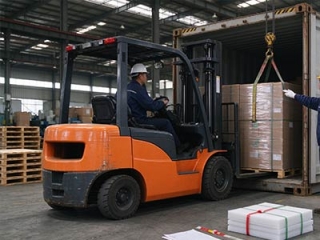 Newnewton Forklift Manufacturer, Forklift CE Certification for ExportNewnewton forklift factory offers full CE certification complying with EN ISO 3691, complete technical documents and OEM service to reduce customs detention risks.
Do you like ?0
Read more -
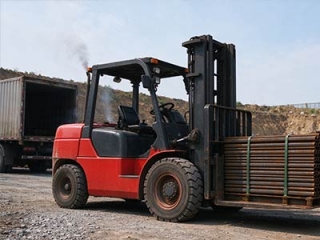 Electric Forklift Vs Diesel Forklift, Warehouse Selection GuideElectric forklift is zero-emission and quiet for indoor clean warehouses. Diesel forklift offers strong power for outdoor heavy-duty tasks.
Do you like ?0
Read more -
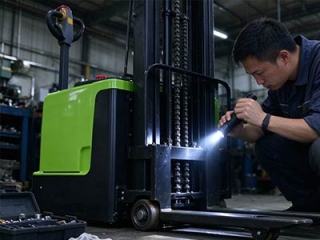 Narrow Aisle Stacker Forklift Custom Manufacturer for WarehouseCustom narrow aisle stacker for non-standard racking. Adjust body, mast and fork specs, upgrade power and protection, site survey available.
Do you like ?0
Read more -
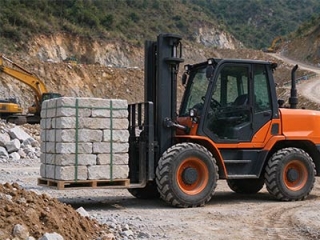 4WD All Terrain Rough Terrain Forklift Climbing for Mountain Sites4WD rough terrain forklift works on unpaved roads. Observe load climbing limit, attachments optional for forest and construction sites.
Do you like ?0
Read more -
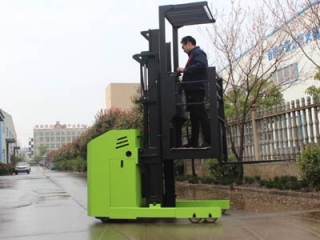 Man-Up Order Picker for High Level Picking, Suitable Warehouse ModesMan-up high level order picker for high-level split picking. Not for full pallet stacking, check rack, aisle and floor before selection.
Do you like ?0
Read more -
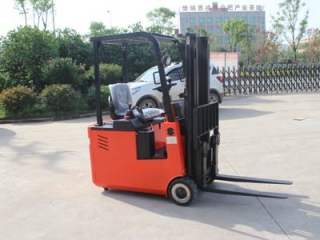 Narrow Aisle Operation Of Three-Wheel Forklift With Compact Turning RadiusThree-point electric forklift features small turning radius for narrow aisles. Reserve safety margin and check floor condition during selection.
Do you like ?0
Read more








