
Cold Storage Forklift Guide: Condensation Protection & Troubleshooting
There is a large temperature difference between inside and outside cold storage. When low-temperature cold storage electric forklift frequently travels in and out, condensation easily forms when cold and hot air meet. Water vapor attached to electronic control components, motors and battery surfaces may cause short circuits, poor contact and metal corrosion. It shortens the service life of cold storage forklifts, so condensation protection is the key of equipment maintenance.
Set preheating transition area Do not move forklifts directly to normal temperature environment after leaving cold storage. A buffer room is recommended to raise equipment temperature slowly and reduce temperature change rate. It prevents cold equipment from contacting hot and humid air directly, reduces condensation fundamentally and protects electronic control and battery assemblies.
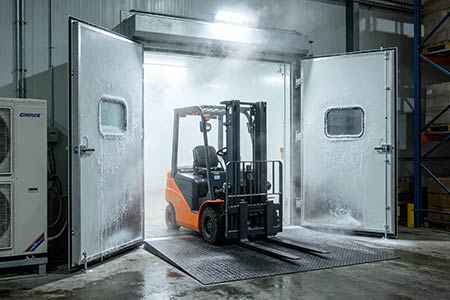
Control access frequency and stand still to remove dew Avoid repeated entering and exiting cold storage within a short period. After forklift drives out of cold storage, park it in ventilated and dry area to stand still. Do not drive the forklift back into cold storage until surface condensation evaporates completely.
Moisture protection for key electrical components Inspect electric control boxes, terminals and plugs regularly for sealing protection. Clean condensed water on wires and check whether wire insulation is aging or damaged. Shut down and cut off power immediately once water accumulation is found. Do not restart the machine until fully dried to avoid short circuit and component burnout.
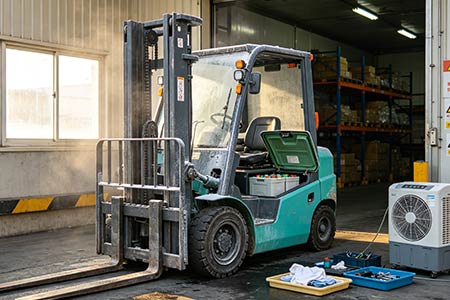
Daily inspection and anti-rust maintenance Check condensation and water accumulation on motors, batteries and masts after each operation. Spray protective grease periodically to slow corrosion of metal parts. Replace aging seals timely to lower the risk of moisture penetrating into equipment.
Master the condensation treatment method for cold storage special warehouse forklift entering and leaving warehouse. Proper maintenance greatly reduces equipment damage. Contact us if you want more practical knowledge of cold storage forklifts.
-
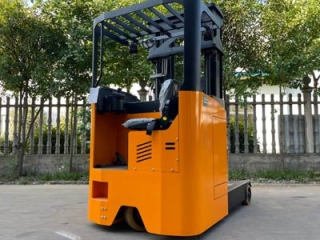 2 Ton Sit-down Reach Stacker, Sit-on Electric Reach Stacker2-ton seated reach stackers fit narrow aisle high rack warehouses. Its extending mast works for two-shift stacking; watch aisle size and high lift capacity deration.
Do you like ?0
Read more -
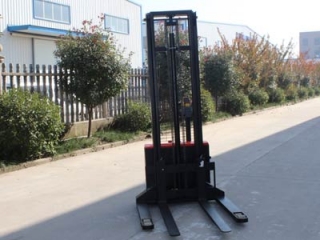 Walk-behind Straddle Stacker vs Counterbalance Stacker: How to ChooseWalkie straddle stackers and counterbalance stackers differ in stability. Straddle suits open pallets; counterbalance works for closed-bottom nonstandard pallets.
Do you like ?0
Read more -
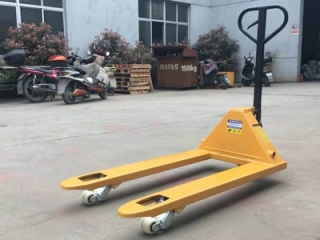 Tips on Selecting Tonnage for Small Manual Pallet JackDo not select manual pallet trucks only by cargo weight. Calculate total load including pallets and reserve safety margin for stable handling.
Do you like ?0
Read more -
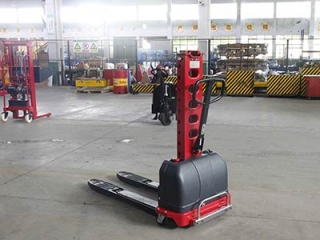 Electric Self-loading Lift Truck Wearing Parts, Electric Self-loading Lift TruckElectric self-loading trucks wear fast on delivery. Prepare spare seals, wheels, electric plugs, valve springs and pins to reduce downtime.
Do you like ?0
Read more -
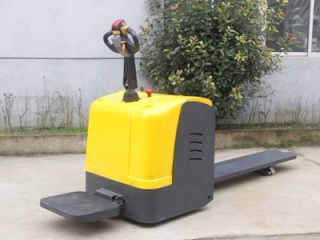 How Much Is Electric Double Pallet Truck, Double Pallet Electric Pallet JackElectric double pallet jacks have 3 tiers. Lead acid for light duty, fast-charging lithium for two-shift work. Check specs to avoid false capacity marking.
Do you like ?0
Read more -
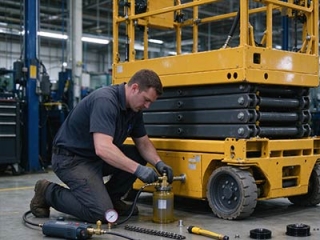 Scissor Lift Safety Precautions, Mobile Scissor Lift PlatformMobile scissor lifts serve factory and warehouse maintenance. Check outriggers and safety devices before use, follow operation rules and maintain regularly.
Do you like ?0
Read more








